
 This week, FMP adds over 267,000 new records from Lancashire and Yorkshire, plus 286,735 pages new newspaper pages.
Greater Manchester Rate Books
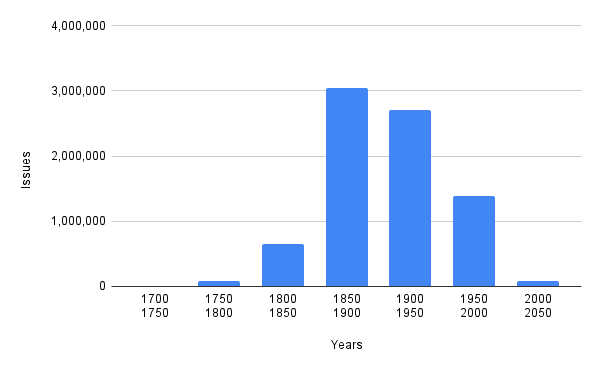
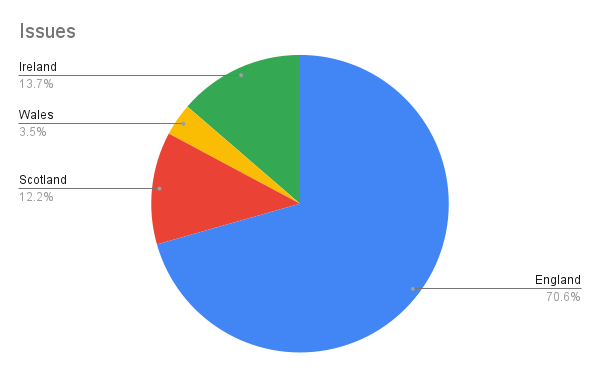
262,466 records have been added to the larger collection of almost five million taxpayer names from the early nineteenth century to the mid-twentieth century in the boroughs that now make up Greater Manchester.
A census substitute, the information included is:
• Name of Occupier (head of household)
• Name of Owner
• Description of the property (house or business)
• Street Address/Township/Parish
• Rate to be paid (e.g. poor rate, water rate)
• Amount to be paid
• Date paid or any default on payment
Every fifth year’s rate books are indexed to coincide with census years for parts of the following boroughs:
• Bolton 1916-1936
• Manchester 1706-1941
• Oldham 1841-1936
• Rochdale 1826-1921
• Stockport 1886-1921
• Tameside 1846-1936
• Trafford 1836-1931
• Wigan 1806-1936
Yorkshire Marriages
An additional 4,986 records for 1883-1926. FMP doesn’t reveal the communities and years added in this small addition to a collection now totalling 4,502,537. Each record includes a transcript and, often, an image of the original record, saving the time and the cost of obtaining a GRO certificate.
Newspapers
FMP gets its newspapers from the sister site, the British Newspaper Archive.
This week’s two new BNA titles are Pullen’s Kent Argus (1857) and Mansfield & North Nottinghamshire Chronicle-Advertiser (1986-1987, 1990-1995, 1999-2000).
Smaller additions are: Pawnbrokers’ Gazette (1857), Kilsyth Chronicle (1944-1945, 1948), Horwich Chronicle (1888-1891, 1909-1911, 1913), and Finchley Press (1910-1913, 1919)
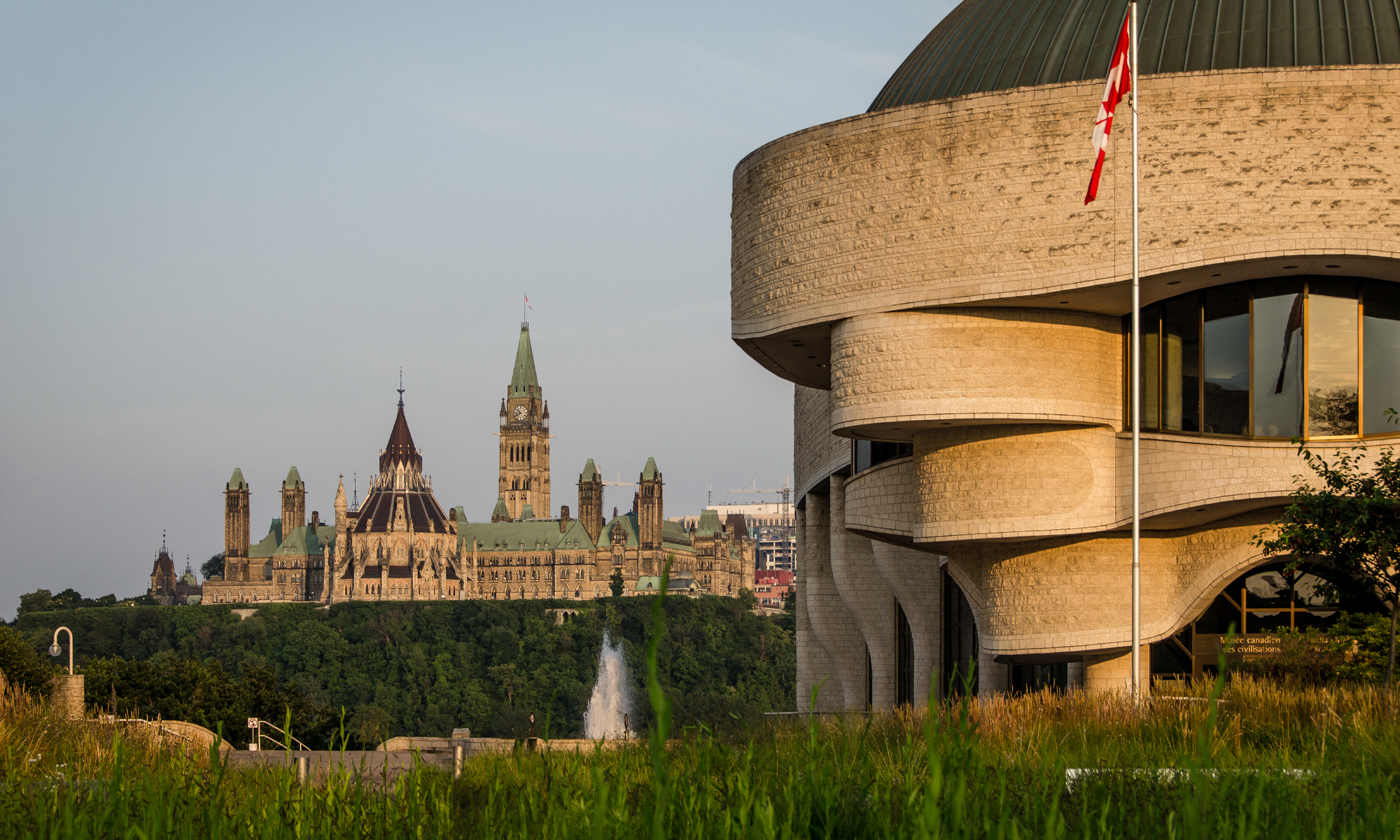
 Like most federal departments, Library and Archives Canada is adjusting to reductions announced in the 2025 federal budget and the ongoing Comprehensive Expenditure Review.
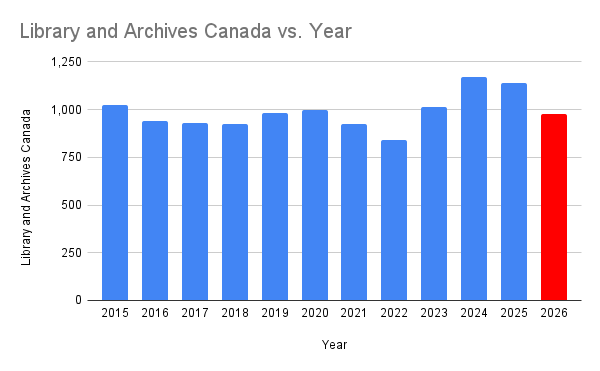 It remains to be seen where the axe will fall within LAC. We have to read the tea leaves to judge the impact on the now delayed opening of Adisoke. Will LAC cut what appears to be an unnecessarily cautious ATIP procedure regarding WW2 service files? Will robust digitization reduce demand for producing archival documents? Will we have to wait until the Estimates document is tabled to find out?
 This coming Saturday, 14 February 2026, the BIFHSGO monthly meeting will be online only. After the presentations, attendees are invited to turn on their video and microphone for an online social.
 A quiet day for gen-news is a good time to remind you about RootsTech 2026, the world’s largest family history conference, coming up 5-7 March. That’s just 20 days away.
 If you could use a hand researching those who passed through the upper Ottawa Valley, from Clara to McNab on the Ontario side and from Eddy to Onslow on the Quebec side, the UOVGG can help.